
Hydrogen generation by electrolysis is becoming one of the most practical ways for industries to produce clean hydrogen on site. Instead of relying on delivered gas cylinders or fossil-fuel-based hydrogen, companies can use electricity and water to generate hydrogen exactly where they need it.
This approach gives users better control over purity, supply stability, and long-term operating cost. More importantly, it fits perfectly with renewable energy, making it a strong choice for green manufacturing, laboratories, semiconductor plants, and energy projects.
For companies planning long-term hydrogen use, understanding how it works helps improve both project ROI and sustainability goals.
How Hydrogen Generation by Electrolysis Works in Real Industrial Use
At its core, uses electrical energy to split purified water into hydrogen and oxygen.
The process is simple:
- Water enters the electrolyzer
- Electricity drives the electrochemical reaction
- Hydrogen is collected at the cathode
- Oxygen is released or reused
- The hydrogen is purified, dried, and delivered to the point of use
Because the hydrogen comes directly from water, this method supports high-purity on-site hydrogen generation with minimal logistics risk.
For users who need stable supply 24/7, this is often more reliable than cylinder replacement.
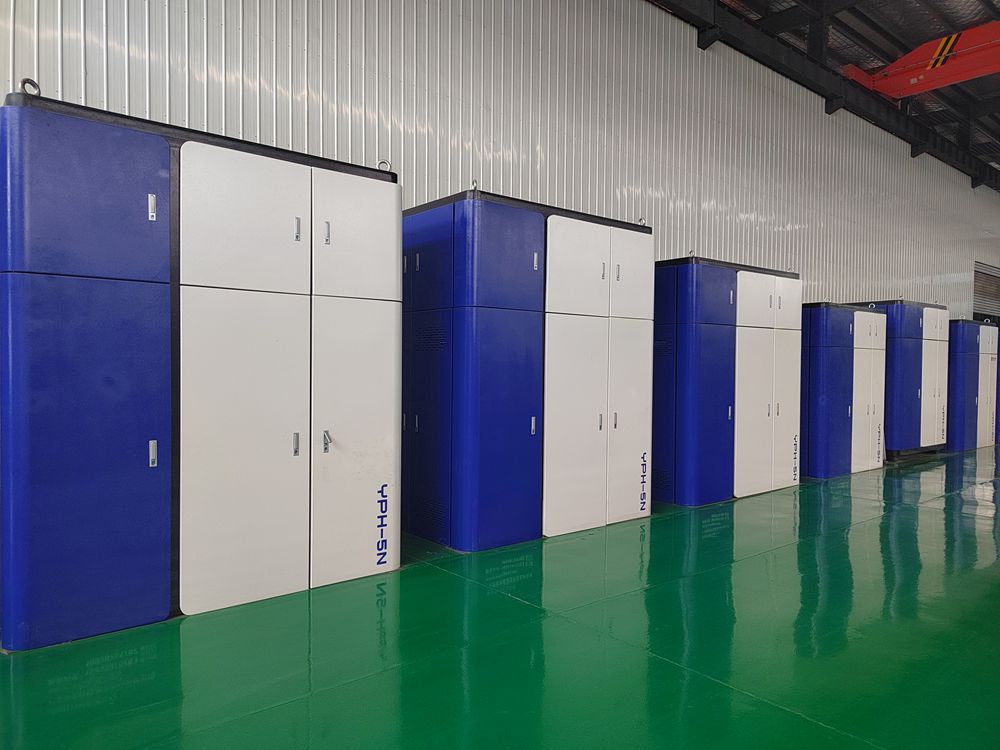
Why Hydrogen Generation by Electrolysis Reduces Long-Term Operating Risk
Many buyers first compare equipment price. However, the real decision factor is often long-term system stability.
Stable Hydrogen Supply for Continuous Production
With hydrogen generation by electrolysis, you avoid:
- gas delivery delays
- cylinder storage risks
- pressure fluctuations
- external supplier dependency
This is especially valuable for:
- semiconductor processing
- metal heat treatment
- hydrogen fuel applications
- laboratories
- industrial continuous production lines
Better Purity Control
Electrolysis systems can deliver 99.999% high-purity hydrogen, which is critical for sensitive industrial processes.
HYVODA systems support stable purity control with intelligent monitoring, helping users reduce product defects and process interruptions.
PEM vs Alkaline Hydrogen Generation by Electrolysis: Which Is Better?
Choosing the right technology directly affects cost and performance.
PEM Electrolysis
PEM is ideal when your load changes frequently.
Advantages:
- fast startup
- quick load response
- compact footprint
- better integration with solar and wind
- high hydrogen purity
Alkaline Electrolysis
Alkaline systems work well for stable, large-scale output.
Advantages:
- mature technology
- lower initial CAPEX
- suitable for continuous industrial demand
For many modern green energy projects, PEM hydrogen generation by electrolysis offers better flexibility and stronger compatibility with renewable power. Recent reviews continue to show PEM as a leading near-term option for dynamic renewable coupling.
How Hydrogen Generation by Electrolysis Improves Project ROI
Buyers do not only care about hydrogen output. They care about total return over system life.
A well-designed system improves ROI through:
Lower Hydrogen Purchase Cost
On-site production reduces transportation, rental, and cylinder handling fees.
Better Energy Management
When connected with renewable power, electrolysis helps convert surplus electricity into usable hydrogen.
This improves renewable energy utilization and reduces wasted power.
Easier Capacity Expansion
As hydrogen demand grows, modular electrolyzer design makes expansion easier than rebuilding the whole gas supply system.
HYVODA supports scalable modular integration for both pilot projects and industrial expansion.
How to Choose the Right Hydrogen Generation by Electrolysis System
The best system depends on your real application.
Focus on these factors:
Hydrogen Demand
Check:
- Nm³/h output
- daily operating hours
- future expansion needs
Power Source
If you use solar, wind, or unstable grid power, PEM is usually the better option.
Water Quality
High-purity water protects stack life and keeps efficiency stable.
Automation and Remote Monitoring
Smart control systems improve uptime and reduce maintenance cost.
This is where HYVODA adds strong value through:
- PLC automation
- remote diagnostics
- predictive maintenance
- EPC integration support
Why HYVODA Hydrogen Generation by Electrolysis Solutions Stand Out
HYVODA focuses on industrial hydrogen generation by electrolysis solutions built for real project performance.
Our systems help customers achieve:
- stable high-purity hydrogen output
- lower long-term operating cost
- renewable energy integration
- fast-response PEM control
- modular capacity expansion
- global engineering delivery support
More importantly, we design solutions based on customer use scenarios, not standard templates.
That means better ROI, faster deployment, and easier future upgrades.
FAQ: Hydrogen Generation by Electrolysis
1. What is hydrogen generation by electrolysis?
It is the process of using electricity to split water into hydrogen and oxygen for clean on-site hydrogen production.
2. Is PEM better than alkaline electrolysis?
PEM is better for variable loads and renewable energy integration, while alkaline suits stable continuous demand.
3. Is electrolysis hydrogen high purity?
Yes. Modern systems can reach 99.999% purity, suitable for industrial and laboratory use.
4. Can electrolysis reduce hydrogen cost?
Yes. It lowers cylinder transport, storage, and supplier dependency costs over time.
5. Is hydrogen generation by electrolysis suitable for renewable energy?
Yes. It works very well with solar and wind power, especially PEM systems.
