
The rapid development of off-grid electrical systems in the Middle East has drawn attention to cleaner and more reliable alternatives to diesel generators. As remote sites across the region face high fuel logistics, extreme weather, and growing environmental requirements, methanol-to-hydrogen solutions are becoming a practical option for stable off-grid power.
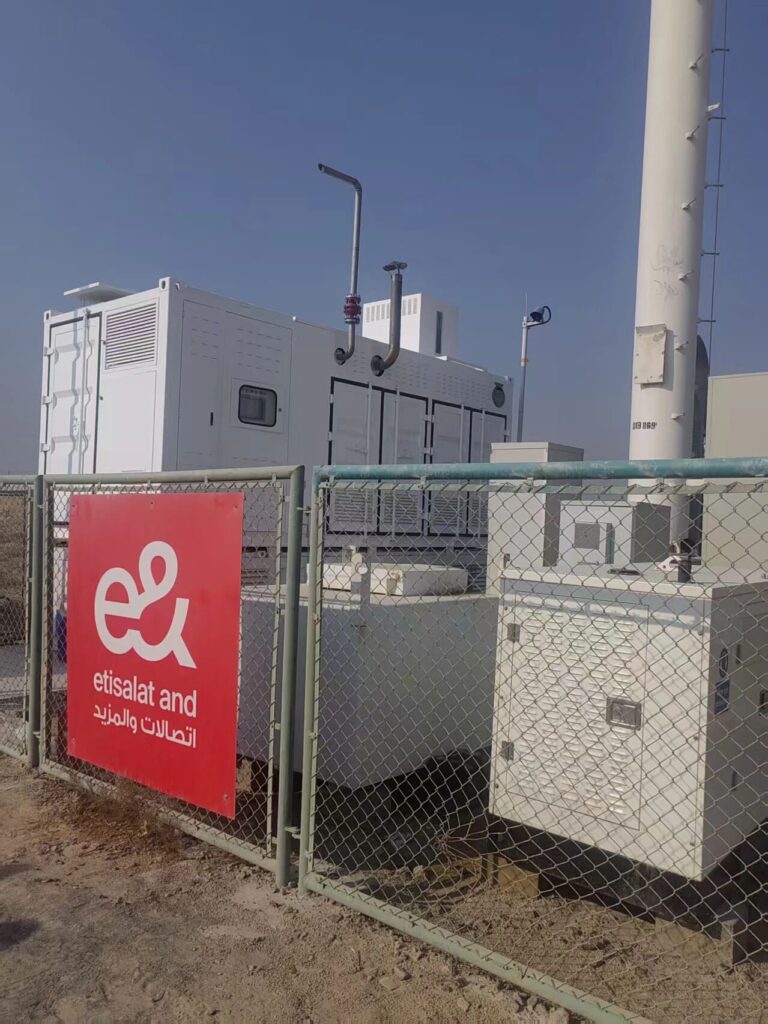
Why Off-Grid Electrical Systems Need New Energy Pathways
In the Middle East, off-grid sites rely heavily on diesel generators, but rising operational costs and decarbonization plans are pushing companies to explore alternatives. Countries like the UAE and Saudi Arabia have hydrogen strategies that encourage the adoption of transitional technologies capable of reducing emissions without changing fuel logistics entirely.
Remote sites often struggle with:
- frequent generator failures due to sand and heat
- unstable supply during sandstorms
- high noise levels
- continuous fuel delivery
Methanol reforming answers these challenges with a fuel that is easy to transport and a process that enables hydrogen production directly at the site.enges with a fuel that is easy to transport and a process that enables hydrogen production directly at the site.
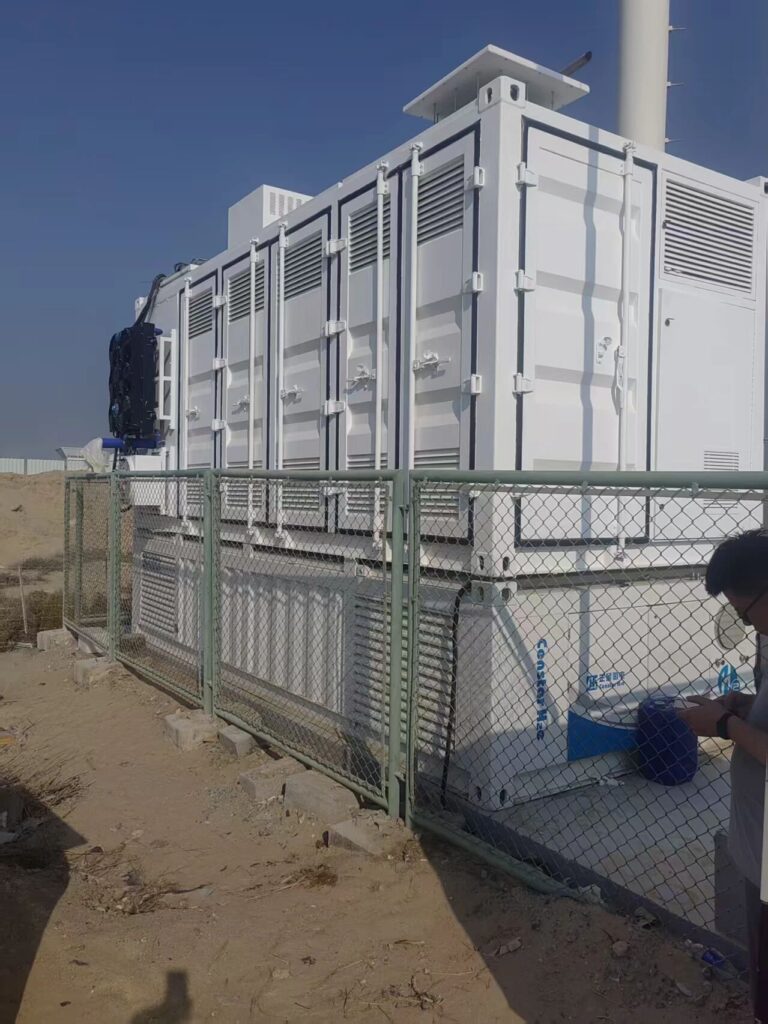
Methanol-to-Hydrogen: A Practical Fit for Off-Grid Electrical Systems
Methanol reforming offers advantages that align closely with the needs of off-grid electrical systems:
1. Liquid Fuel, Familiar Logistics
Methanol can be stored and transported like traditional fuel, avoiding the complexities of compressed hydrogen cylinders.
2. On-Site Hydrogen Production
Reformers convert methanol and water into hydrogen when needed, ensuring a stable, uninterrupted energy source.
3. Lower Noise and Emissions
When paired with fuel cells or hydrogen-ready generators, sites experience drastically reduced carbon output and quieter operation.
4. Resilient in Harsh Climates
Modern systems are designed to operate under wide temperature ranges and heavy dust exposure—conditions typical of desert regions.
Case Insight: A Recently Completed Middle Eastern Off-Grid Project
Our headquarters recently deployed a methanol-to-hydrogen system for an off-grid industrial site in the Middle East. The installation replaced multiple diesel generators and addressed:
- inconsistent power during sandstorms
- high fuel logistics cost
- generator maintenance intervals
- noise-sensitive operations
After integration, the off-grid electrical system saw:
- more stable power delivery
- reduced fuel transport
- prolonged equipment uptime
- improved environmental performance
This project illustrates how methanol reforming can deliver immediate operational improvements without requiring a new energy infrastructure.
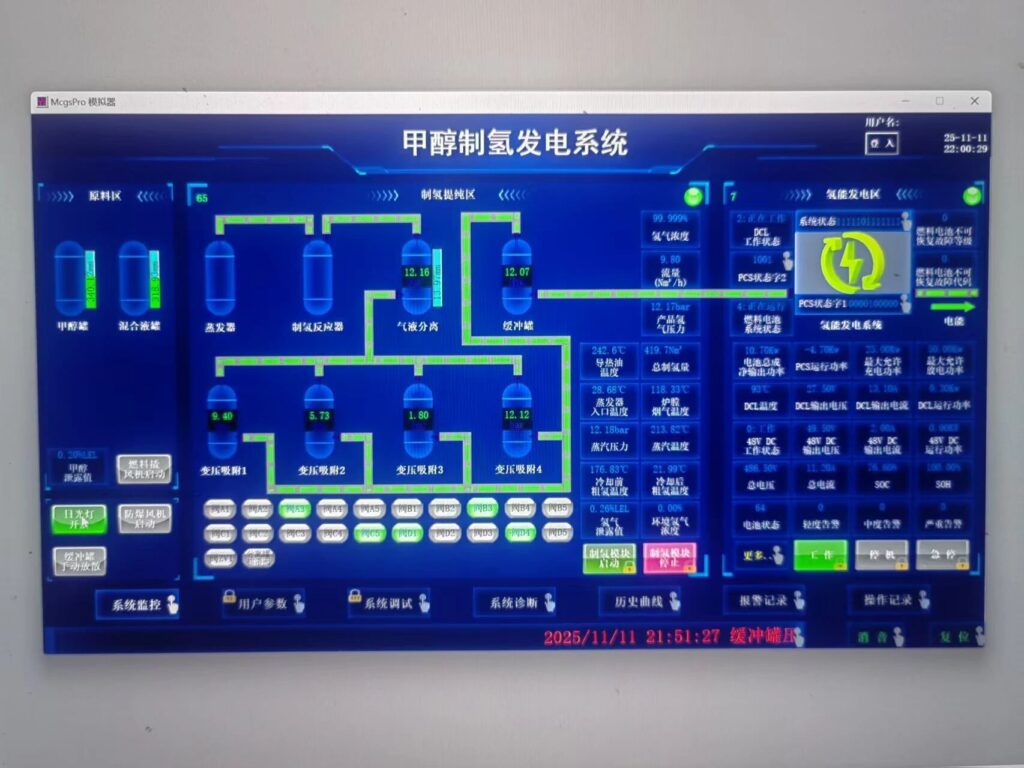
How Methanol Becomes Hydrogen: A Clear Breakdown
To support off-grid electrical systems, hydrogen must be produced efficiently and reliably. The methanol-reforming process involves:
- Vaporization – Methanol and water are heated.
- Catalytic Reforming – Vapor reacts over a catalyst to produce hydrogen-rich gas.
- Purification – Impurities are separated to ensure high-purity hydrogen.
- Power Conversion – Hydrogen feeds fuel cells or generators.
This process runs continuously within a compact unit and is controlled by automated monitoring, making it suitable for remote or unmanned sites.
A Growing Trend in the Region’s Off-Grid Electrical Systems
Off-grid electrical systems in the Middle East are moving toward hybrid configurations that combine:
- methanol-to-hydrogen production
- hydrogen fuel cells
- solar power
- battery storage
This structure provides energy stability that diesel systems cannot match, especially for long-term industrial or infrastructure development.
Learn more about our hydrogen solutions: /hydrogen-energy-products
Explore our off-grid power technologies: /off-grid-power-solutions
Related article: /microgrid-energy-storage