
Do you want to produce clean hydrogen on your site? Hydrogen generation by electrolysis offers a proven path. You simply run electricity through water, and the process splits water molecules into hydrogen and oxygen. The result is high-purity hydrogen with zero direct emissions.
Many industries now turn to hydrogen generation by electrolysis for their operations. Steel mills use it for hydrogen-based reduction. Glass plants use it as a protective atmosphere. Electronics fabs use it as an ultra-pure carrier gas. And the list keeps growing.
In this guide, you will learn how hydrogen generation by electrolysis works. You will see the differences between major technologies. And you will find out how to pick the right system for your facility.
Let us start with the basics.
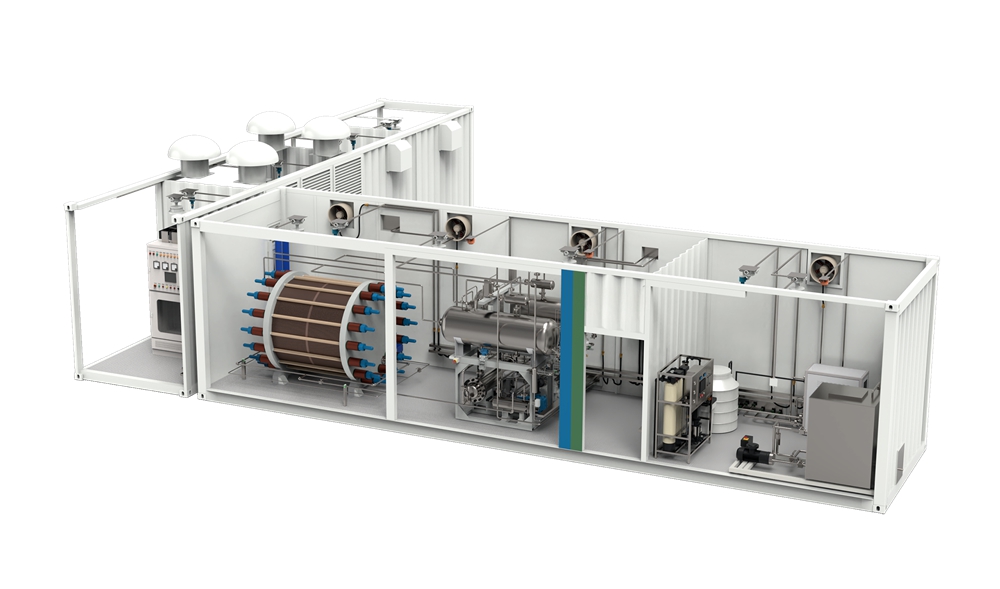
How Hydrogen Generation by Electrolysis Actually Works
You might remember the science from school. An electrolyzer uses electricity to break water (H2O) into hydrogen (H2) and oxygen (O2). The reaction needs three things: water, electricity, and an electrolyte that helps ions move.
But different hydrogen generation by electrolysis systems use different electrolytes. That choice changes how the system behaves. Let us look at the four main technologies you will find in the market today.
Four Ways to Do Hydrogen Generation by Electrolysis
Alkaline Electrolysis: The Reliable Workhorse
Alkaline electrolysis is the oldest and most mature hydrogen generation by electrolysis technology. It uses a liquid alkaline solution (usually potassium hydroxide) as the electrolyte. Hydroxide ions (OH⁻) travel through the solution from cathode to anode.
This technology works well for large, stable operations. You will find it in chemical plants and industrial gas facilities around the world.
What makes alkaline electrolysis stand out:
- Lowest capital cost among all electrolysis technologies. Alkaline systems cost roughly $500 to $1,200 per kilowatt of capacity. [3†L10-L12]
- Long operational lifetime. Some alkaline systems run for over 80,000 hours before major maintenance. [3†L10-L12]
- Simple construction uses readily available materials, not rare metals.
Where alkaline electrolysis fits best:
- Large industrial hydrogen plants running at steady load
- Facilities with stable, low-cost grid power
- Projects where initial investment is the main concern
A few things to watch for:
Alkaline systems take longer to start up and cannot follow fast power changes. They also need regular maintenance of the liquid electrolyte. The hydrogen purity is good, but not as high as some alternatives.
PEM Electrolysis: The Flexible Performer
PEM stands for polymer electrolyte membrane. In this hydrogen generation by electrolysis method, a solid plastic membrane acts as the electrolyte. The membrane conducts protons (H⁺) from anode to cathode.
PEM technology gained attention because it pairs perfectly with renewable energy. It starts fast, stops fast, and handles power fluctuations with ease.
What makes PEM electrolysis stand out:
- High energy efficiency. PEM systems typically use 4.1 to 4.3 kWh per normal cubic meter of hydrogen, which is better than alkaline’s 4.6 to 4.8 kWh range. [7†L7-L10]
- Compact footprint. PEM cells run at higher current density, so you need less space for the same hydrogen output.
- Fast dynamic response. A PEM system starts from cold in under five minutes and adjusts output in seconds. This makes it ideal for wind and solar integration.
- High hydrogen purity. PEM systems deliver 99.999%+ purity without extensive post-treatment.
- High output pressure. Many PEM systems produce hydrogen at 3 to 5 MPa, which reduces the need for downstream compression.
Where PEM electrolysis fits best:
- Projects that use intermittent wind or solar power
- Applications needing high-purity hydrogen (fuel cells, electronics)
- Sites with limited space
- Hydrogen refueling stations
A few things to watch for:
PEM systems cost more upfront than alkaline. They use precious metals like platinum and iridium in the catalysts. This makes the initial investment higher.
Solid Oxide Electrolysis (SOEC): The High-Temperature Specialist
SOEC is a newer hydrogen generation by electrolysis technology. It uses a solid ceramic electrolyte that conducts oxygen ions (O²⁻) at very high temperatures—around 700°C to 800°C. [2†L27-L36]
The high temperature gives SOEC an efficiency advantage. Some of the energy needed for water splitting comes from heat instead of electricity. This lowers the electrical energy requirement.
Where SOEC fits best:
SOEC works well where you have waste heat available—think steel mills, chemical plants, or nuclear facilities. The high operating temperature also suits large-scale, continuous production.
A few things to watch for:
SOEC is less mature than alkaline or PEM. Long-term durability at high temperatures remains a challenge. This technology is still emerging from the demonstration phase.
AEM Electrolysis: The Emerging Contender
AEM stands for anion exchange membrane. This hydrogen generation by electrolysis technology combines the best of both worlds: the low-cost materials of alkaline systems and the solid membrane design of PEM. [3†L7-L10]
AEM uses hydroxide ions (OH⁻) for conduction, like alkaline, but in a solid membrane format, like PEM. This avoids the liquid electrolyte and the precious metal catalysts.
Where AEM fits best:
AEM targets distributed hydrogen production where cost and flexibility both matter. It is still developing, but many see it as a future leader in hydrogen generation by electrolysis for small to medium applications.
Hydrogen Generation by Electrolysis: Which Technology Should You Choose?
Choosing the right hydrogen generation by electrolysis system depends on your specific needs. Ask yourself these three questions before you decide.
1. What is your power source?
If you use steady grid power, alkaline electrolysis gives you the lowest cost. If you rely on solar or wind, PEM’s fast response makes it the better choice. In Europe, hybrid systems that combine alkaline base load with PEM load-following are gaining popularity—they let you run the alkaline unit for steady daytime production while PEM handles the solar peaks.
2. How much space do you have?
PEM systems need less floor space for the same hydrogen output. If your site is tight, PEM wins. If you have room to spread out, alkaline’s lower upfront cost may appeal more.
3. What purity does your process need?
Most industrial processes work fine with 99.9% to 99.999% hydrogen. PEM naturally delivers the higher end of that range. For electronics or fuel cells, the extra purity from PEM may be worth the higher upfront cost.
Here is a quick comparison table to guide your decision:
| Factor | Alkaline | PEM |
|---|---|---|
| Capital cost per kW | $500–1,200 | Higher |
| Energy consumption (kWh/Nm³) | 4.6–4.8 | 4.1–4.3 |
| Start-up time | Hours to minutes | Seconds |
| Load-following capability | Limited | Excellent |
| Footprint | Larger | Smaller |
| Output pressure | Low (need compression) | High (up to 5 MPa) |
| Best for | Large, stable operations | Variable renewable energy |
The Real Cost of Hydrogen Generation by Electrolysis
Cost is often the biggest question for people evaluating hydrogen generation by electrolysis. Let us break down what you will actually pay.
The biggest factor is your electricity price. In most systems, electricity makes up 60% to 75% of the total operating cost. That means every cent you save on power goes straight to your bottom line.
For a typical PEM system producing 100 normal cubic meters of hydrogen per hour, expect the following:
- Equipment cost: $400,000 to $600,000 installed
- Electricity consumption: about 500 kWh per hour of operation
- At $0.07 per kWh: your electricity cost is $35 per hour
- Add water and maintenance: roughly $5 more per hour
- Total operating cost: about $40 per hour, or $0.40 per normal cubic meter
If you have access to cheap renewable power at $0.04 per kWh, your hydrogen cost drops to around $0.25 per normal cubic meter. That is highly competitive with delivered hydrogen prices.
The global green hydrogen market is expanding quickly. It grew from $3.8 billion in 2025 to an estimated $5.52 billion in 2026, a compound annual growth rate of 45.3%. [9†L7-L10] The electrolyzer market alone is projected to grow from $8.8 billion in 2026 to $77 billion by 2036. [5†L32-L34] This growth drives innovation and cost reduction across all hydrogen generation by electrolysis technologies.
Where Industries Use Hydrogen Generation by Electrolysis
Hydrogen generation by electrolysis serves many industries. Here are the most common applications.
Steel and metal processing: Hydrogen replaces coke and natural gas in direct reduction furnaces. This cuts carbon emissions by up to 95% compared to traditional blast furnaces. Steel mills also use hydrogen as a protective atmosphere during annealing.
Glass manufacturing: Float glass lines use hydrogen to create a protective atmosphere that prevents oxidation. The result is clearer, higher-quality glass with fewer defects.
Electronics and semiconductors: Chip fabs need ultra-pure hydrogen (99.9999% or higher) as a carrier gas and reducing agent. Any impurity can ruin an entire batch of chips, so purity is paramount.
Hydrogen refueling stations: Stations that serve fuel cell vehicles increasingly install on-site hydrogen generation by electrolysis systems. This avoids the cost and complexity of delivering hydrogen by truck.
Chemical production: Ammonia plants and methanol facilities use hydrogen as a feedstock. Green hydrogen from electrolysis allows them to produce green ammonia and green methanol.
Power generation: Utilities use electrolysis to store excess renewable energy as hydrogen. When power demand rises, they convert the hydrogen back to electricity using fuel cells or turbines.
For a detailed breakdown of operating costs across different hydrogen production methods, read our guide: Hydrogen Generator Power Consumption: What Really Impacts Your Cost.
The Future of Hydrogen Generation by Electrolysis
The next few years will bring major changes to hydrogen generation by electrolysis. Here is what you can expect.
Costs will keep falling. The US Department of Energy targets $1 per kilogram of hydrogen by 2030—an 80% reduction from current levels. [12†L82-L83] This goal is ambitious but achievable with continued scale-up and innovation.
Efficiency will improve. New catalyst materials and membrane designs will push energy consumption lower. Advanced manufacturing techniques will reduce stack costs.
AEM will mature. Anion exchange membrane technology could combine the low cost of alkaline with the flexibility of PEM. If it scales successfully, AEM could become the dominant hydrogen generation by electrolysis technology for distributed applications.
Integration will deepen. More projects will combine electrolysis directly with wind farms and solar plants. This coupling of hydrogen and renewable electricity creates a flexible, resilient energy system.
Global capacity will surge. Electrolyzer manufacturing capacity expanded from 0.6 GW in 2021 to 4.9 GW in 2025. [5†L5-L6] This rapid scaling drives down equipment costs and shortens delivery times.
Common Questions About Hydrogen Generation by Electrolysis
Q: How pure is hydrogen from electrolysis?
PEM systems deliver 99.999%+ purity. Alkaline systems give you 99.8% to 99.9%. Pick PEM for electronics or fuel cells.
Q: How much water do I need?
About 9 kg of water for every 1 kg of hydrogen. You will need deionized water.
Q: How long does an electrolyzer last?
Alkaline systems often run 80,000+ hours. PEM systems typically last 40,000 to 60,000 hours before stack replacement.
Q: Can I install it outdoors?
Yes. Most industrial units come in weatherproof enclosures rated for outdoor use.
Q: What is the difference between green and grey hydrogen?
Green hydrogen comes from electrolysis using renewable power. Grey hydrogen comes from natural gas. Green has near-zero emissions.
Ready to Start Your Hydrogen Generation by Electrolysis Project?
Hydrogen generation by electrolysis gives you control over your hydrogen supply. You stop relying on deliveries. You lock in your production cost. And you reduce your carbon footprint.
Our team can help you size the right system for your operation. We will look at your hydrogen demand, your power supply, and your space constraints. Then we will recommend the technology that fits your needs and your budget.
Want to see how captured CO₂ adds a second revenue stream? Read our guide: From Waste to Value: How CO2 Capture Turns Your Generator into a Profit Center.