
Why more laboratories are switching from cylinders to on-site hydrogen
A hydrogen generator for gas chromatography gives laboratories a safer, more stable, and lower-cost way to supply hydrogen. Traditional cylinders create safety risks, price fluctuations, and daily management trouble. In contrast, a lab hydrogen generator produces hydrogen on demand from water and electricity. It keeps purity high, pressure stable, and costs predictable.
Because of these advantages, more GC labs now replace cylinders with a lab hydrogen generator or a high purity hydrogen generator for GC. This guide explains the technology, safety benefits, cost model, and how to choose the right system. It also shows how HYVODA PEM generators help labs reduce risks and save money every year.
1.Why GC Labs Must Rethink Hydrogen Supply
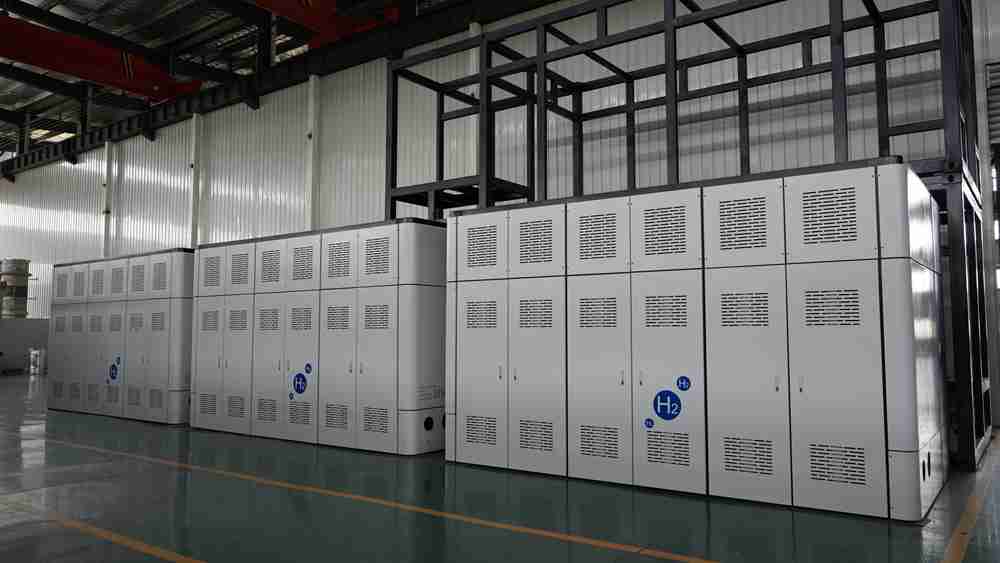
1.1 Seven major problems with hydrogen cylinders
Many labs still rely on 200 bar cylinders. However, cylinders create problems every day.
Safety risks
- High-pressure storage above 200 bar
- Leak and explosion hazards
- Manual handling accidents
- Fire risks in storage rooms
Even a small leak can shut down the whole lab.
Hidden costs
You pay more than you think:
- Gas refill cost
- Cylinder rental
- Transportation fees
- Storage space
- Staff management time
- Downtime when gas runs out
These costs quickly exceed the lab hydrogen generator price.
Performance limitations
Cylinders also affect your GC results:
- Pressure fluctuation → unstable baseline
- Purity drop after multiple refills
- Limited flow for multi-GC labs
As a result, reproducibility suffers.
1.2 Industry trends and compliance pressure
Today, laboratories must meet:
- Stricter safety standards
- Green lab certifications
- Stable supply chain requirements
On-site hydrogen generation solves all three at once. That is why the hydrogen generator for gas chromatography is becoming the new standard.
2.Hydrogen Generator Technology Explained
PEM vs alkaline electrolysis: which is better for GC?
Modern lab hydrogen generator systems mainly use PEM or alkaline technology.
PEM (Proton Exchange Membrane) – Recommended for GC
PEM uses pure water and a solid membrane. It produces:
- Ultra-high purity hydrogen
- Dry gas
- Stable pressure
- Low maintenance
PEM systems easily reach 99.9999%+ purity, which GC and MS require.
If you want deeper technical insight, you can
explore how PEM hydrogen generators work and where they are applied in real green hydrogen projects
Alkaline electrolysis – Lower cost but higher maintenance
Alkaline systems use KOH solution.
However, they may:
- carry alkaline mist
- lower purity (99.5–99.9%)
- require frequent liquid replacement
- need more maintenance
For sensitive GC columns, PEM remains the safer choice.
3.Perfect Match Between Hydrogen Generator and GC
Single GC configuration
Typical requirements:
| Item | Requirement |
|---|---|
| Flow | 30–100 mL/min |
| Pressure | 0.4–0.7 MPa |
| Purity | >99.999% |
A high purity hydrogen generator for GC easily meets these numbers.
HYVODA PPH Series – Designed for Laboratory GC
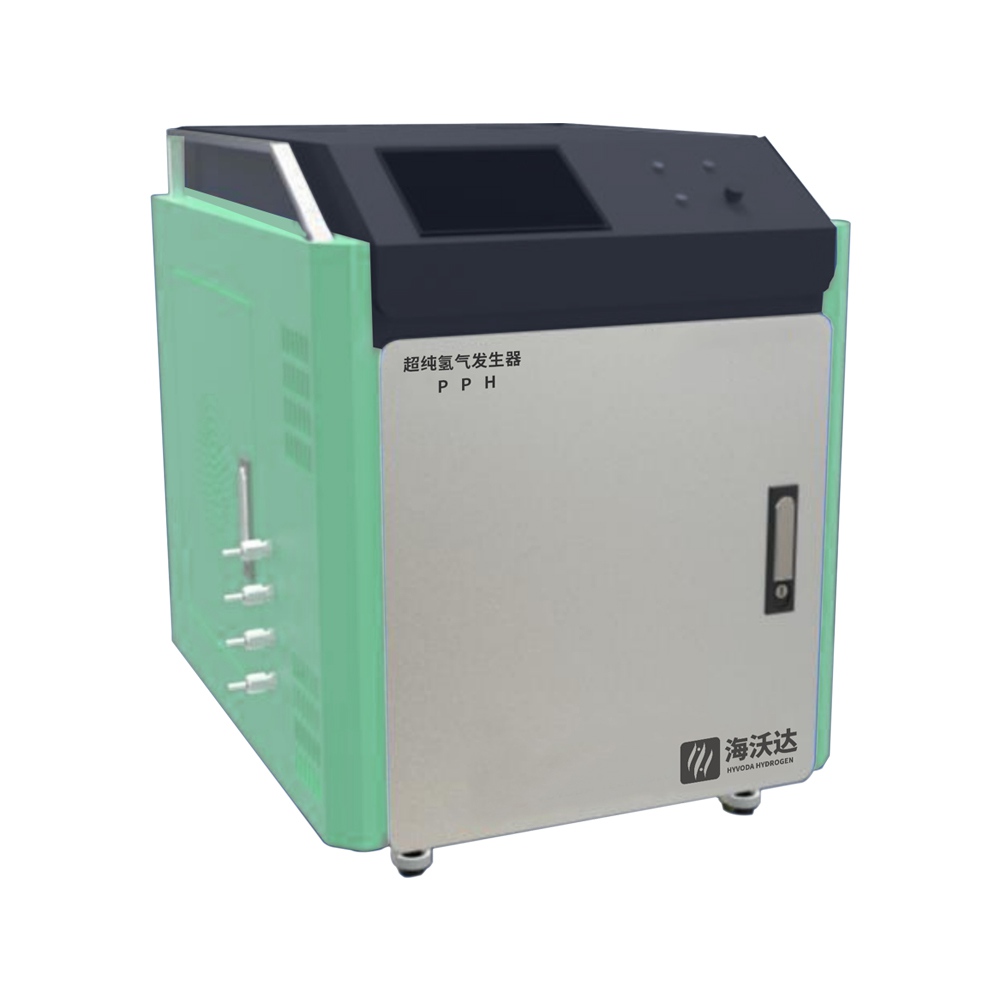
For compact lab use, many customers choose the
HYVODA PPH series high-purity PEM hydrogen generator with 9N purity and adjustable 0.1–1 MPa pressure
Key specifications:
- Purity: 99.9999999% (9N)
- Dew point: < −100°C
- Pressure: 0.1–1 MPa adjustable
- Ultra-quiet
- Small footprint
- 0.1–0.6 Nm³/h models for single or multi GC
You can place it directly beside the GC without noise or cylinders.
4.How to Choose the Right Lab Hydrogen Generator
Before buying, evaluate:
- Total flow demand
- Purity level
- Pressure stability
- Space limitation
- Future expansion
If you need a step-by-step method, follow our guide to
choose the right laboratory hydrogen generator for safe, high-purity GC gas supply
This helps you size correctly and avoid overspending.
5.Cost Comparison and ROI Analysis
Cylinder vs generator annual cost
Cylinders
$16,000–$33,000/year typical
Generator
$3,000–$7,000/year typical
Savings can exceed 70%.
Electricity cost matters most
Electricity is the main expense.
To estimate accurately, you can
calculate how much electricity a hydrogen generator actually uses in daily lab operation
Calculate your savings
To compare your own numbers,
estimate your annual hydrogen supply savings with our interactive hydrogen cost calculator
Most labs recover investment within 12–18 months.
6.Installation and Integration Best Practices
Step-by-step implementation
Week 1–2: Site evaluation
Week 3: Installation
Week 4: Parallel testing
Week 5: Full switch
Easy integration features
HYVODA systems offer:
Compact & ultra-quiet design
Install directly in cleanrooms or labs.
Intelligent one-button operation
Automatic start/stop + remote monitoring.
Safe on-site hydrogen
No cylinders. No transportation risk. Zero carbon when powered by renewables.
7.Maintenance & Troubleshooting
Preventive maintenance
Daily:
- Check water level
- Inspect pressure
Monthly:
- Replace filters
- Clean system
Annual:
- Full inspection
PEM systems require very little service.
Common issues
Purity drop
- water quality
- filter aging
Flow unstable
- regulator
- pipe blockage
HYVODA remote diagnostics quickly identify problems and reduce downtime.
8.Real Application Cases
Pharmaceutical QC Lab
24/7 operation required high safety.
They installed dual backup generators and saved $28,000 annually.
Learn more about
real applications of hydrogen in the pharmaceutical industry
Environmental labs
Mobile hydrogen supply improved efficiency by 40%.
R&D centers
Standardized supply increased equipment utilization by 25%.
9.Future Trends of Lab Hydrogen Supply
Hydrogen generation continues to evolve:
- smarter control
- modular design
- renewable integration
For broader market insights, you can
explore the economic challenges and future trends of green hydrogen adoption worldwide
Final Thoughts – Why Choose HYVODA
A hydrogen generator for gas chromatography improves safety, stability, and cost at the same time.
HYVODA offers:
- 9N ultra-pure hydrogen
- stable 0.1–1 MPa pressure
- compact footprint
- unattended operation
- explosion-proof design
- full lifecycle service
If you want to upgrade from cylinders or reduce your lab hydrogen generator price long term, HYVODA provides a reliable solution.
Contact us today for sizing advice and a custom quotation.
FAQ
1.What purity does a hydrogen generator for gas chromatography need?
At least 99.999%. MS systems may require 99.9999%+.
2.Is a lab hydrogen generator safe?
Yes. On-demand production removes high-pressure cylinder risks.
3.What is the typical lab hydrogen generator price?
Small systems usually pay back within 1–2 years due to gas savings.
4.PEM or alkaline for GC?
PEM. It delivers higher purity and lower maintenance.
How much space is required?
Compact PEM units fit beside a single GC.