
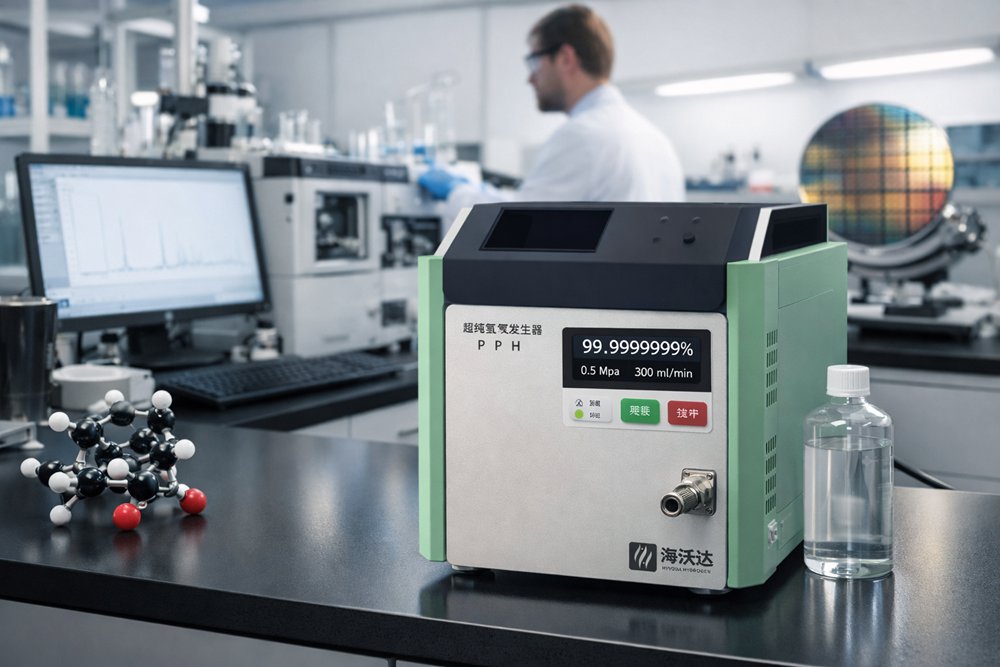
A hydrogen generator lab setup has become the new standard for modern laboratories that need safe, stable, and ultra-pure hydrogen. Instead of storing dangerous gas cylinders, more labs now install a laboratory hydrogen generator to produce hydrogen on demand. This approach improves safety, lowers operating costs, and ensures consistent purity.
If you run gas chromatography, fuel cell testing, semiconductor research, or medical analysis, choosing the right hydrogen generator for gas chromatography or analytical work directly affects your results. The wrong system can cause unstable pressure, contamination, or even safety risks. The right system delivers clean hydrogen, smooth workflow, and peace of mind.
This guide explains how hydrogen generators work, compares technologies, and helps you select the best solution for your lab.
Why Every Modern Hydrogen Generator Lab Is Replacing Gas Cylinders
Traditional hydrogen cylinders create several problems:
• High pressure explosion risks
• Manual cylinder replacement
• Gas downtime during changeover
• High transport and storage costs
• Purity fluctuation
A hydrogen generator lab system solves these issues immediately.
You generate hydrogen only when needed. No storage. No heavy tanks. No delivery delays.
As a result, labs gain:
• Continuous gas supply
• Stable pressure
• Higher safety
• Lower long-term cost
• Cleaner working space
That’s why more analytical labs now prefer a laboratory hydrogen generator over bottled gas.
Main Types of Laboratory Hydrogen Generator Technologies
When selecting equipment for your hydrogen generator lab, you will mainly see two technologies. Understanding the difference helps you avoid future problems.
PEM Laboratory Hydrogen Generator (Proton Exchange Membrane)
This is the most widely used and recommended solution today.
How it works
Deionized water splits inside a PEM cell. Protons pass through a solid membrane and form hydrogen at the cathode. Oxygen releases separately. The membrane physically isolates the gases, so mixing almost never happens.
Advantages
• Ultra-high purity (often ≥ 99.9999%)
• Stable pressure output
• Dry hydrogen, no moisture removal needed
• No alkaline contamination
• Minimal maintenance
• Safer closed system
Best for
• Gas chromatography
• GC-FID/TCD detectors
• Semiconductor labs
• Fuel cell research
• Precision analysis
For most applications, PEM is the ideal hydrogen generator for gas chromatography and other analytical tasks.
Alkaline Electrolysis Hydrogen Generator
This older technology uses potassium hydroxide (KOH) solution.
How it works
Electrodes sit in alkaline liquid. Electricity splits water into hydrogen and oxygen. The system then purifies and dries the gas.
Limitations
• Risk of KOH aerosol contamination
• Lower purity (99.5–99.9%)
• More maintenance
• Electrolyte replacement required
• Less stable pressure
Because of these drawbacks, many labs now upgrade from alkaline systems to PEM-based laboratory hydrogen generators.
Key Buying Factors for a Hydrogen Generator Lab
Choosing the right system is not only about price. Focus on performance and safety first.
Hydrogen Purity
For GC or sensitive instruments, purity matters most.
Impurities cause:
• Column damage
• Detector noise
• Poor repeatability
Always choose ≥99.999% purity. PEM systems easily meet this standard.
Flow Rate and Pressure
Calculate total demand from all instruments.
Example:
• One FID: 30–50 mL/min
• Carrier gas: higher flow
• Multiple GCs = multiply demand
Pressure should stay stable around 0.4–0.6 MPa for most GC setups.
A good hydrogen generator lab system provides adjustable and stable pressure output.
Safety Protection
Hydrogen safety cannot be compromised.
Look for:
• Leak detection
• Automatic shutdown
• Over-pressure protection
• Fault alarms
• Venting system
• Electrical grounding
Modern laboratory hydrogen generators include these protections by default.
Maintenance & Ease of Use
Labs need simple equipment.
Choose systems that offer:
• One-button start
• Automatic operation
• Remote monitoring
• Low noise
• Only DI water refilling
Less maintenance means less downtime.
Certifications
Always confirm:
• CE
• UL
• Laboratory safety standards
• Explosion-proof design (if required)
Certified equipment protects both staff and instruments.
Typical Hydrogen Generator Lab Applications
A hydrogen generator lab setup works across many industries:
1.Gas Chromatography Labs
Most common use. Replaces cylinders completely. Provides stable carrier or detector gas.
2.Semiconductor Manufacturing
Requires ultra-pure hydrogen. Even tiny impurities affect yield.
3.Medical & Clinical Labs
Quiet, compact, and safe systems fit sensitive environments.
4.Research & Education
Easy operation makes training simpler and safer.
Why More Labs Choose HYVODA PPH Laboratory Hydrogen Generator
If you want a reliable laboratory hydrogen generator with long service life and very high purity, HYVODA’s PPH series offers a practical solution for modern labs.
It uses advanced PEM electrolysis + metal membrane purification, which delivers extremely clean hydrogen while keeping operation simple.
Key Advantages
Ultra-High Purity
Up to 99.9999999% (9N) hydrogen
Ideal for GC, semiconductor, and precision testing
Compact & Quiet
Small footprint
Near-silent operation
Perfect for cleanrooms and labs
Intelligent Operation
One-button start/stop
Remote monitoring
Real-time diagnostics
Unattended running
Safe & Green On-Site Hydrogen
No cylinders
No transport risk
Only electricity + deionized water
Carbon-free when powered by renewables
Stable Pressure
0.1–1 MPaG adjustable output
Excellent for hydrogen generator for gas chromatography
Certified & Lab-Ready
CE compliant
Explosion-proof design
Built for continuous lab use
If your lab currently uses cylinders or outdated alkaline systems, upgrading your hydrogen generator lab with HYVODA can immediately improve safety, purity, and operating cost.
Final Thoughts
A modern hydrogen generator lab is safer, cleaner, and more efficient than traditional gas cylinders. PEM-based systems now lead the market because they deliver higher purity, stable pressure, and easier maintenance.
For GC analysis, semiconductor work, or medical testing, investing in a high-quality laboratory hydrogen generator is not just convenient — it protects your results and your team.
If you want ultra-pure hydrogen with simple operation, HYVODA’s solution is ready to support your lab. Contact us!
FAQ – Hydrogen Generator Lab Questions
1.What is the best hydrogen generator for gas chromatography?
A PEM laboratory hydrogen generator with ≥99.999% purity and stable pressure is the best choice.
2.Why is PEM better than alkaline?
PEM offers higher purity, no KOH contamination, lower maintenance, and safer operation.
3.How much pressure do GC systems need?
Most GC instruments require 0.4–0.6 MPa. Choose a generator with adjustable output.
4.Is a hydrogen generator safer than cylinders?
Yes. On-site production eliminates high-pressure storage and reduces explosion risk.
5.What water quality is required?
Use deionized or ultra-pure water (≥1 MΩ·cm) to protect the PEM membrane.
6.Does HYVODA provide certified systems?
Yes. HYVODA generators meet CE standards and include multiple safety protections for laboratory use.