
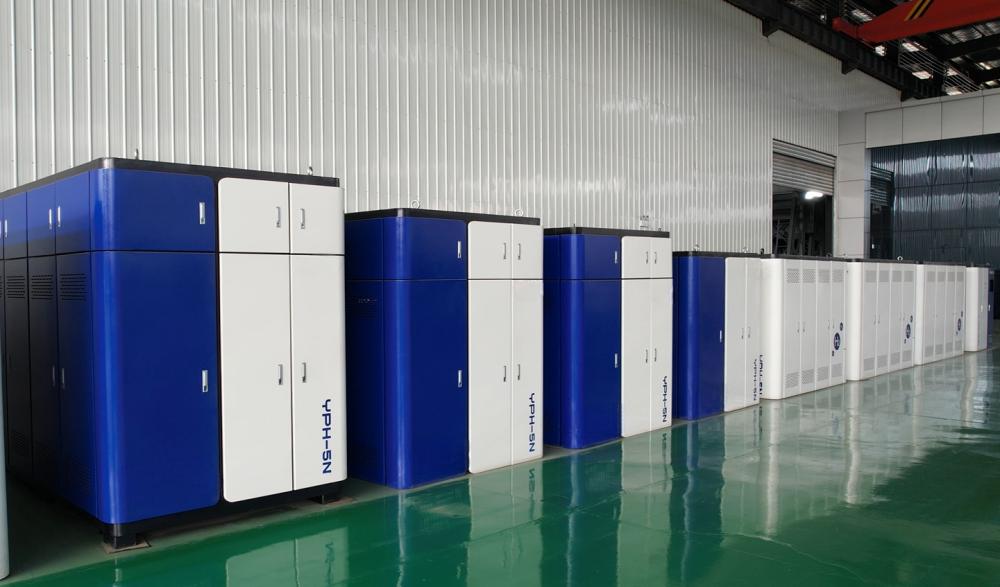
Hydrogen is a safe industrial gas when you handle it correctly. But hydrogen has three properties you must respect. It leaks more easily than natural gas. It ignites with very little energy. And it burns with a flame you can barely see.
That does not mean hydrogen generators are dangerous. It means you need the right safety systems in place before you connect power.
This guide walks you through seven critical safety checks for any hydrogen generator installation. You will learn what certifications to look for, what distances to keep, and what systems you cannot skip. If you are a gas company or an industrial plant planning your first hydrogen generator, read this before you sign any purchase order.
For a deeper look at hydrogen generator technologies, read our guide: Hydrogen Generator: Your Complete Guide to On‑Site Production.
1. Check Your Hydrogen Generator’s Safety Certification
Every industrial hydrogen generator should meet international safety standards. The most important one is ISO 22734, which specifically covers hydrogen generator safety for industrial, commercial and even residential use. A 2025 update to this standard introduced stricter requirements, placing a stronger emphasis on risk management and advanced control technology.
When you evaluate any hydrogen generator, ask for documentation showing it complies with the latest version of the standard. Systems certified to outdated versions may miss newer protections.
2. Confirm You Have Explosion-Proof Electrical Components
Hydrogen systems require electrical equipment that cannot spark an explosion. Look for two key certifications. ATEX is the mandatory standard for equipment sold in the European Union. IECEx is the international certification used in most other markets. Equipment with both ATEX and IECEx certification offers the broadest market acceptance.
Your hydrogen generator should have ATEX or IECEx‑rated components for all electrical parts inside the hazardous area, including sensors, switches, and control panels. If a supplier cannot provide these certifications for the full system, you are taking a significant risk.
3. Verify Your Site Meets Required Safety Distances
Hydrogen systems need separation from ignition sources, people, and building air intakes. Several codes specify these distances. According to California Code of Regulations § 5473, a hydrogen generator container must be located:
- 25 feet from open flames or ordinary electrical equipment[3†L7-L8]
- 25 feet from concentrations of people such as break rooms or walkways
- 50 feet from air intake vents, air conditioning equipment, or air compressors
- 50 feet from storage of other flammable gases
- The area within 15 feet of any hydrogen container must be kept clear of combustible materials like dry vegetation or stored wood pallets
Your site layout must also allow for safe access, with all equipment protected against falling objects or other workplace activity. Check local building codes for any additional requirements.
4. Install Proper Ventilation and Gas Detection
Hydrogen rises quickly because it is the lightest gas. For indoor installations, you need ventilation that removes hydrogen before it can reach flammable concentrations. A typical industrial space needs at least 5 air changes per hour. Areas where hydrogen could accumulate may require up to 30 air changes per hour.
Your ventilation design must place intake and exhaust openings correctly. Research on hydrogen leaks in enclosed spaces shows you should position hydrogen sensors at the top of the wall facing the supply vent to catch any release early. Hydrogen sensors are critical because a hydrogen leak is otherwise undetectable by human senses alone.
Your hydrogen generator supplier should help you design the ventilation layout and recommend appropriate sensor placements. Do not skip this step.
5. Verify Your Installation Meets Building and Fire Codes
Most industrial hydrogen generator systems are permitted under specific code sections. The Hydrogen Technologies Code, Chapter 13, covers installation requirements for hydrogen generators up to 100 kg of hydrogen per hour. It specifies that permitted water electrolysis systems must be listed to ISO 22734. Installation must also follow the manufacturer’s instructions.
Local codes may restrict indoor installations to a maximum floor area of 850 square feet. Work with a qualified engineer familiar with local requirements before you pour concrete or run utilities.
6. Ensure You Have a Complete Operator Training Plan
A well‑built hydrogen generator is only as safe as the people who run it. Your facility needs a documented training plan that covers:
- Hydrogen properties and behavior – Why it leaks, how it burns, and what that means for daily operation
- Equipment inspection, operation, and maintenance – Routine checks your operators must perform
- Safety requirements for high‑pressure systems – If your hydrogen generator delivers gas at elevated pressure
- Emergency procedures – What to do if sensors trigger, leaks occur, or alarms sound
- Roles and responsibilities – Who is accountable for each safety task
A good operator training course covers the ISO 22734 standard for hydrogen generators, including system design, operation, and safety requirements. Some larger projects invest in operator training simulators so control room staff can practice procedures offline before they handle real hydrogen.
Do not buy a hydrogen generator without a clear plan for how you will train your people.
7. Establish a Regular Inspection and Maintenance Program
Hydrogen safety does not end after installation. Your facility needs a recurring inspection program that checks for:
- Leaks – Connections should be regularly inspected for any signs of corrosion, erosion, cracking, bulging, blistering, or other deterioration
- Sensor calibration – Leak and flame detectors need recalibration every 3 to 6 months, or as recommended by the manufacturer
- Valve and overpressure device function – Ensure pressure relief systems operate correctly
Planned maintenance shutdowns are part of safe hydrogen operation. In the hydrogen industry, work permits are a key tool for risk prevention and industrial safety. Shutdowns are not merely maintenance periods — they are a true indicator of the safety maturity of an industrial site.
Before you begin any maintenance on your hydrogen generator, follow a “fit‑for‑maintenance” procedure that inspects equipment, depressurizes the system, purges hydrogen, and tests for residual gas before declaring it safe to work on.
For a detailed discussion of safety certifications and what they mean for your operation, read our guide: CO2 Capture and Purification: Your Complete Guide.
Common Questions About Hydrogen Generator Safety
Q: Do I need special insurance for a hydrogen generator?
Most commercial property policies cover hydrogen generators if the installation meets local codes and the equipment has proper certifications. Your insurer may require proof of ISO 22734 compliance and operator training records. Check with your provider before installation.
Q: Can I install a hydrogen generator indoors?
Yes, but you must follow strict ventilation and distance requirements. Indoor locations are typically limited in floor area and must communicate directly with the outdoors for ventilation. Your local building code will specify exact conditions.
Q: How often should I replace hydrogen sensors?
Most manufacturers recommend full replacement every 12 to 18 months, with calibration checks every 3 to 6 months. Check your sensor manufacturer’s guidance for exact intervals.
Q: What is the biggest safety risk with hydrogen generators?
The most common risk is a slow hydrogen leak in an enclosed space without detection and ventilation. Hydrogen leaks out of tiny openings far more easily than natural gas. That is why gas sensors and proper ventilation are the most critical safety systems.
Q: Does a methanol‑based hydrogen generator have different safety requirements?
Yes. Methanol reformers also produce CO and require additional monitoring for carbon monoxide. They generally operate at lower pressures than pure hydrogen storage, but methanol itself is flammable and requires its own handling protocols. Contact our engineering team for technology‑specific safety guidance.
Ready to Install Your Hydrogen Generator Safely?
Safety is not a checklist you fill out once and forget. It is a continuous practice that starts with the right equipment and continues through every shift, every inspection, and every maintenance day.
Our hydrogen generator systems come fully certified to ISO 22734, with ATEX-rated components and integrated gas detection as standard. We provide installation guidance, operator training materials, and ongoing support to help you maintain a safe facility for years to come.
Want to understand the full safety and compliance landscape for hydrogen systems? Read our guide: Hydrogen Generation by Electrolysis: Complete Guide.